
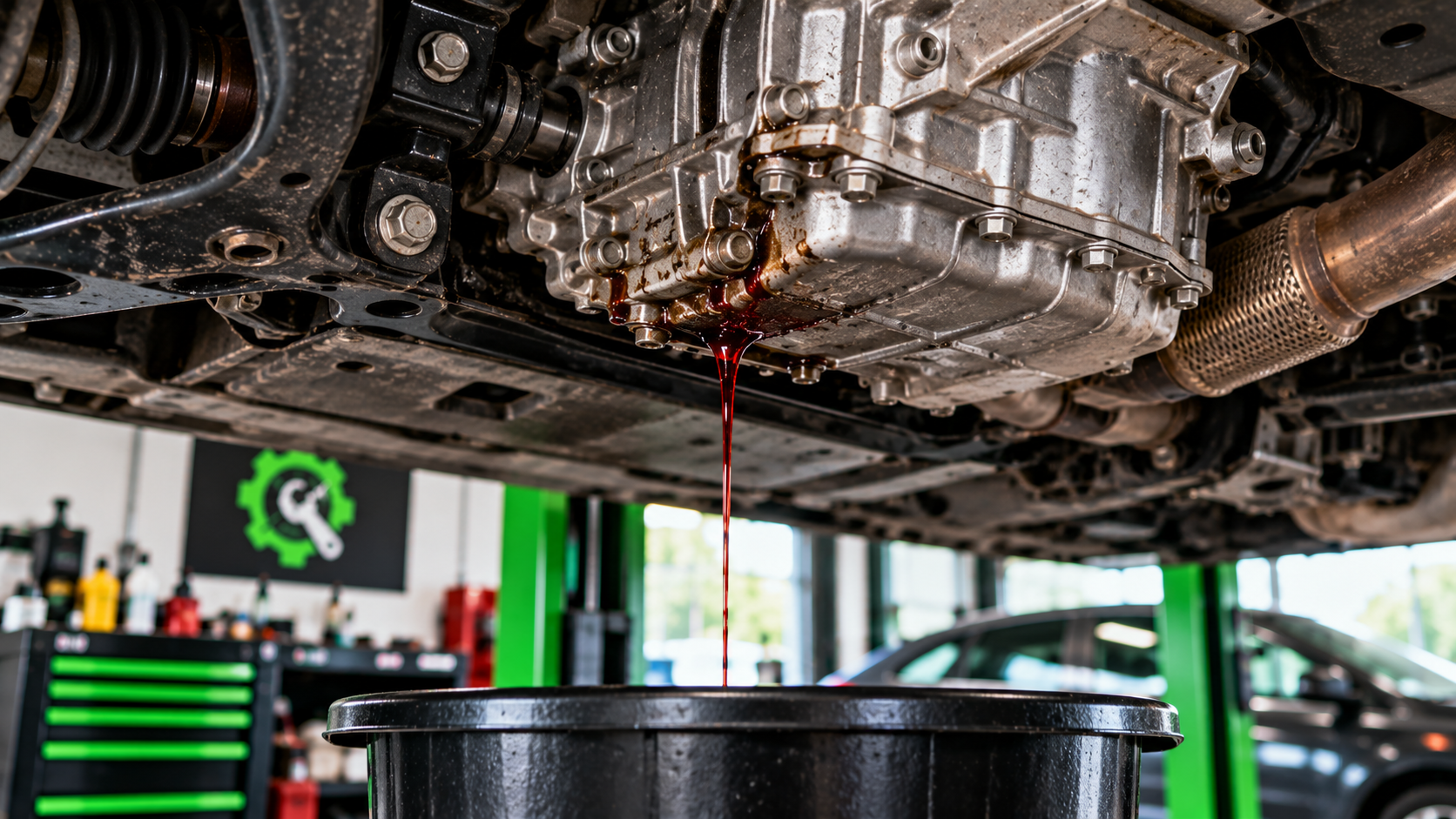
Your nose and ears can tell you a lot about what is happening under your car. If something smells burned or sounds like metal scraping metal, do not brush it off. Transmission problems often show up first as strange smells and noises, and knowing what each one means can help you catch an issue before it becomes far more expensive.
Transmission issues are sneaky that way. The early warning signs are easy to write off as a quirk of the car, like a faint whine here or a slight burning smell there. Those sensory cues are your vehicle trying to communicate something specific. Understanding what each symptom points to helps you make smarter decisions about transmission repair before the damage adds up.
What Does a Burning Smell From Your Transmission Actually Mean?
A burning smell coming from your car is not normal. When it comes from the transmission, it often points to overheating fluid or fluid that has broken down completely.
The Role of Transmission Fluid in Preventing Overheating
Transmission fluid does more than lubricate moving parts. It also helps regulate heat inside the transmission. When the fluid level is low, or the fluid has aged too long, it cannot absorb and move heat the way it should. The transmission then overheats and starts to damage its own components from the inside out.
Fresh transmission fluid often has a mild, slightly sweet smell, though this varies by fluid type. When it burns, it smells more like charring, similar to burning rubber or hot metal. If you notice that smell after a drive, especially after stop-and-go traffic in Nashville where temperatures run hot, have the fluid inspected right away.
When Low Fluid Creates a Burning Transmission Fluid Smell
A burning smell is one of the more specific warning signs you can detect. Unlike an oil leak or an exhaust issue, this smell is usually sharper and more chemical.
Low fluid is a common cause. Transmission fluid can leak from worn seals, a cracked pan, or a damaged line. When the fluid level drops, metal parts that should have cushioning grind against each other without protection. Friction creates heat, and heat burns the fluid. The smell reaching your nose signals that something inside has already worked harder than it should.
Overheating Versus Old Fluid: How to Tell the Difference
Both overheating and degraded fluid can produce a burning smell, but context often helps separate the two.
If the smell appears during or after heavy driving, such as towing, hauling, or long highway stretches, overheating is the more likely cause. If it appears even during normal driving, start by checking for old or contaminated fluid. Change the fluid on a schedule based on your vehicle’s mileage and the manufacturer’s guidelines. Drivers who skip this service often face transmission repair sooner than they should.
Why Is Your Car Making a Whining or Grinding Noise When Shifting?
Transmission noises during gear changes are among the most direct signs of transmission problems. A healthy transmission shifts quietly and smoothly. When something is wrong, the noise tells you where to look.
Understanding a Whining Noise While Driving
A whining noise that rises and falls with your speed often points to the torque converter or to low fluid pressure inside the transmission. The torque converter connects your engine to the transmission in an automatic vehicle. As it wears, the needle bearings inside can create a distinct whine or hum.
Torque converter noise is often more noticeable at certain speeds or when coasting. It differs from a belt squeal or a wheel-bearing hum, though people sometimes confuse them. If the whining gets louder when you shift into drive or reverse, the torque converter is a likely place to look first.
What Grinding Gears Sound Like and Why They Happen
Grinding gears are a different type of concern, and they are more commonly associated with manual transmissions. A grinding sound when you shift usually means the clutch is not fully disengaging, or the synchronizers that help gears mesh smoothly are worn.
In an automatic transmission, a grinding or clunking sound during a shift often comes from worn planetary gears or a slipping band. Either way, the sound signals that internal parts are no longer working together as they should. Grinding often gets worse quickly, because the damaged parts keep wearing each other down with every shift.
When Noises Change Based on Speed or Temperature
Some transmission noises appear only under specific conditions. A whine that shows up at highway speeds but disappears in traffic can indicate a different problem than a constant one. A clunk that happens only when the transmission is cold, then fades after it warms up, often points to a fluid viscosity issue or a worn solenoid.
Tracking when the noise happens, how long it lasts, and whether it changes with temperature or speed helps a technician narrow down the cause quickly.
Are Noise and Smell Symptoms Signs of Serious Transmission Problems?
Not every smell or noise means your transmission is about to fail. Many do deserve attention, though, and you should address them before they reach that point.
When Symptoms Are Minor Versus When They Are Not
Some early-stage symptoms, like a faint whine or a slight hesitation during a shift, can respond to a fluid service, a filter change, or a small repair. Other symptoms, like a strong burning smell combined with slipping gears or grinding, usually indicate that internal components have already suffered damage.
The challenge is that drivers often cannot tell the difference on their own. That is why having a professional look early makes a practical difference. An inspection at the first warning signs can often catch a manageable issue before it becomes a full rebuild or replacement.
The Connection Between Smells, Noises, and Transmission Fluid Condition
Fluid condition ties most of these symptoms together. Bad fluid leads to overheating. Overheating causes burning smells. Inadequate lubrication causes grinding and whining. Many of the sensory warning signs drivers notice trace back to the same root issue: the fluid is no longer doing its job.
Checking fluid color and consistency is one of the first steps when a driver describes these symptoms. Dark brown or black fluid with a gritty texture suggests internal wear is already happening.
What Nashville Drivers Should Know About Transmission Warning Signs
In Nashville, TN, summer heat is intense and traffic on I-40 and I-65 can mean a lot of stop-and-go driving, so transmissions face real stress. Heat is a major contributor to transmission wear, and local driving conditions do not help.
Signs that might stay minor in a cooler climate can progress more quickly in warm weather. Staying aware of changes in how your car sounds and smells matters for any driver who puts consistent miles on a vehicle here. For Nashville drivers noticing odd smells or sounds, getting your transmission inspected at the first warning sign is the surest way to avoid a costly rebuild.
Frequently Asked Questions
What does a burning smell from my transmission mean?
A burning smell from the transmission usually points to overheating fluid or fluid that has broken down from age or low levels. When the fluid cannot do its job, metal parts overheat and friction increases, producing a sharp, chemical burning odor. Getting the fluid inspected is the right first step.
Can a whining noise while driving mean I need transmission repair?
A whining noise during driving, especially one that changes with speed or gear position, is one of the more common signs of transmission problems. It often points to torque converter wear, low fluid pressure, or internal bearing damage. The specific noise pattern helps narrow down the cause during inspection.
How do I know if grinding noises are coming from my transmission?
Grinding during gear shifts, especially in a manual transmission, usually means the clutch or synchronizers are worn. In an automatic, a grinding or clunking sensation often signals internal gear wear. If the noise ties to shifting rather than the road surface or steering, the transmission is a likely source and is worth having a professional check.